Hydrogen Storage in Materials: Analysis Using Density Functional Theory and Artificial Intelligence
Theoretical Background of the Program
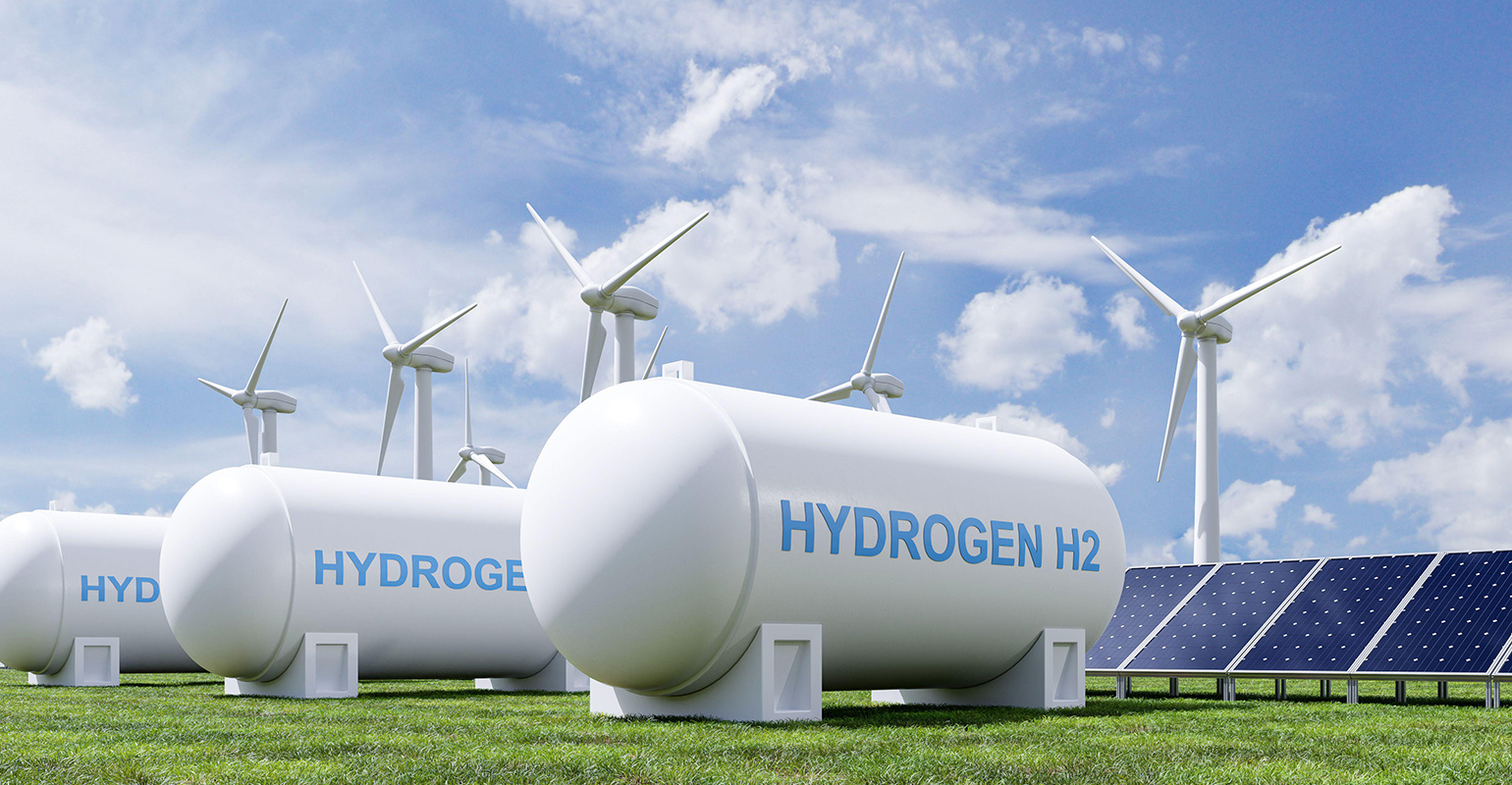
The program “Hydrogen Storage in Materials: Analysis Using Density Functional Theory and Artificial Intelligence” addresses the scientific and technical challenges associated with developing effective and safe solutions for hydrogen storage, as it is one of the most important carriers of clean energy for the future. The program aims to understand the atomic and electronic interactions between hydrogen and various materials, and to design materials with high efficiency in absorption, storage, and release.
The program is based on Density Functional Theory (DFT) as an advanced scientific framework for analyzing the electronic and structural properties of materials at the atomic level, while integrating artificial intelligence and machine learning techniques to accelerate modeling processes, predict material behavior, and discover new and promising structures without relying solely on costly and time-consuming experiments.
General Objective of the Training Program
1. Enable participants to understand the scientific principles of hydrogen storage in materials at the atomic and electronic levels.
2. Provide trainees with practical knowledge of the Density Functional Theory (DFT) methodology for analyzing and modeling materials.
3. Utilize artificial intelligence and machine learning techniques to predict the properties of hydrogen storage materials.
4. Enhance the ability to link theoretical modeling with experimental results in materials science research.
5. Develop skills in data analysis and computational simulation in the field of energy and hydrogen.
6.Enable participants to design and study new high-efficiency materials for hydrogen storage.
7. Support the capabilities of researchers and engineers in research, development, and innovation in clean energy technologies.
Main Topics of the Training Program
Using Artificial Intelligence and Machine Learning to Predict Material Properties
Integrating DFT results with artificial intelligence techniques to discover new materials
Atomic and Electronic Modeling of Hydrogen Storage Materials
Fundamentals of Density Functional Theory (DFT) and Its Applications in Materials Science
Introduction to Hydrogen Storage and Its Importance in Clean Energy Systems
Target Audience for the Training Program
Specialists in computational modeling and atomic simulation
Engineers working in the field of advanced energy and hydrogen
Professionals working in research and development (R&D) in the field of advanced materials